Secondary glazing adds a slim second pane inside your existing window to cut noise, reduce draughts and improve warmth, while leaving the original window untouched. It is ideal for period, conservation and listed properties, and typically costs from around £150 to £1,000 per window. It is our signature service.
If your rooms feel draughty in winter, or traffic and street noise carry straight through the glass, you do not always need brand new windows to fix it. Secondary glazing is a discreet second pane fitted on the inside of your existing window. It is our signature service, and for many homes across Birmingham and the West Midlands it is the smartest way to gain quieter, warmer, more comfortable rooms while keeping the character of the original windows completely intact.
What Secondary Glazing Is
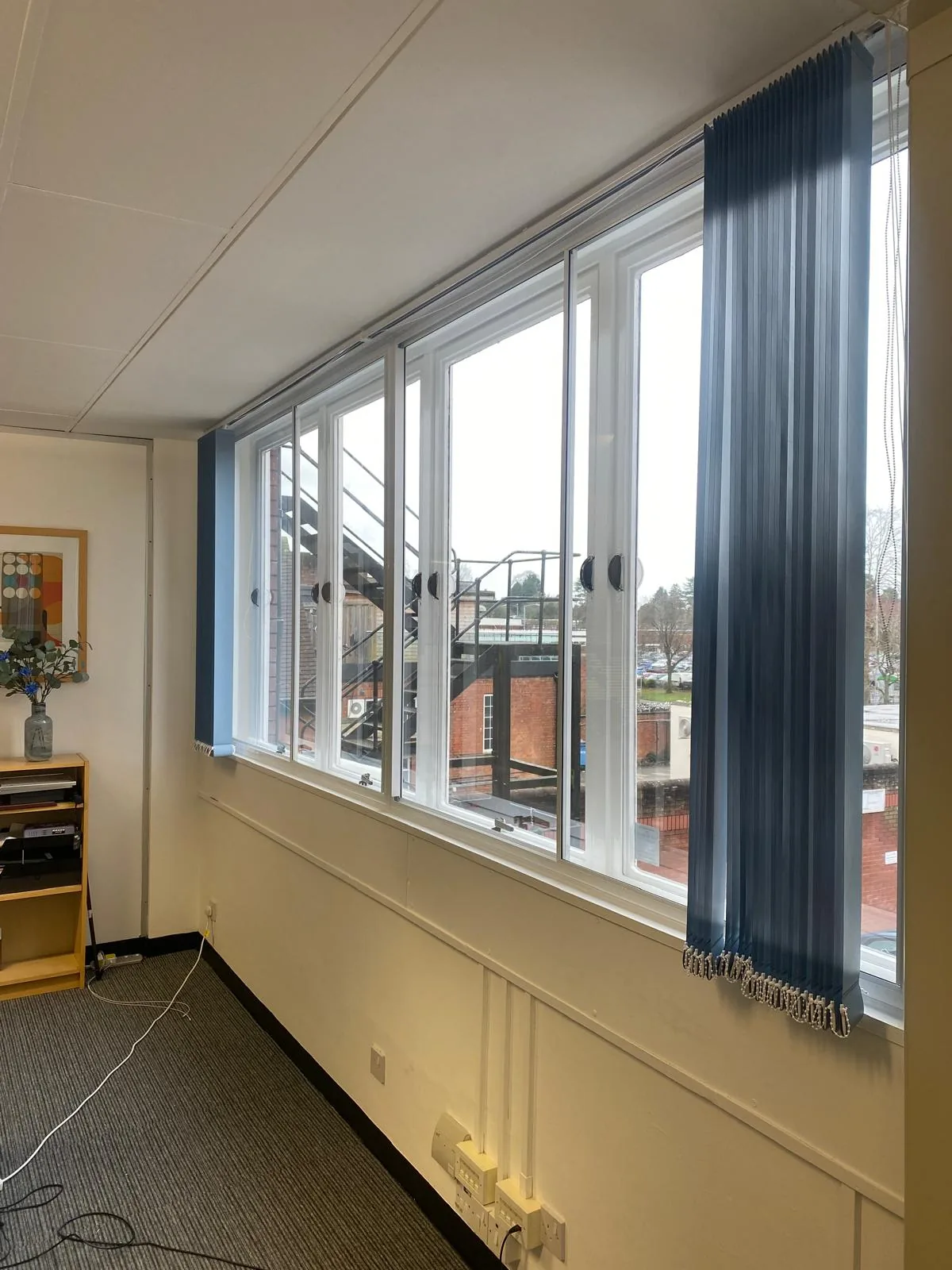
Secondary glazing is a slim, independent glazed unit that sits just inside your existing window, within the reveal. It works by adding a second barrier of glass with a pocket of still air between the two panes. That air gap is what does the work: it slows the movement of heat and dampens sound, so your original window stays exactly where it is and carries on doing its job.
This is quite different from replacing a window or fitting double glazing. With double glazing, the whole frame and sealed unit come out and a new one goes in. With secondary glazing, nothing about the original is disturbed. Our units are slimline with a smooth finish, and once fitted they sit discreetly in the reveal, so from across the room they are barely noticeable.
- Fitted on the inside: The secondary unit mounts within your existing window reveal, indoors, so the outward appearance of your home does not change at all.
- Independent of the original: Your existing window and frame stay in place and untouched, which is exactly why this suits older and protected properties.
- Opening options to suit the room: Units can be made to slide, lift out or open, so you keep easy access for cleaning, ventilation and fire escape where needed.
- Slim and unobtrusive: Modern slimline profiles and clear glass keep sightlines tidy, so the look of the room is preserved.
How It Cuts Noise
Noise is one of the most common reasons people come to us, and it is where secondary glazing really stands out. Sound travels as vibration through the air and through the glass itself. A single pane offers very little resistance, which is why older windows can let so much of the street indoors.
Secondary glazing tackles this in two ways. First, it adds a second sheet of glass, so sound has to pass through two panes rather than one. Second, and more importantly, the wide gap of trapped air between the original window and the secondary unit absorbs a large share of the sound energy before it reaches the room. A generous air gap like this is more effective against noise than a narrow sealed double-glazed unit, which is why secondary glazing is often chosen specifically for homes on busy roads, flight paths or near railway lines.
- Two panes, not one: Each layer of glass reflects and absorbs part of the sound.
- A wide air gap: The larger space between the original and secondary pane is a big factor in dampening low, rumbling traffic noise.
- A tighter seal: The secondary unit also closes off the gaps and draught paths around an older window, and those gaps are often where the loudest noise sneaks through.
The result is not total silence, but a clear and noticeable drop in the noise reaching the room. Most customers describe the difference as their home suddenly feeling calmer and more peaceful, especially in bedrooms and living rooms.
Thinking About Quieter, Warmer Rooms?
We are a family-run, CERTASS registered installer covering Birmingham and the West Midlands. Book a free, no-obligation survey and we will talk you through the right option for your windows.
Book a Free SurveyHow It Keeps Heat In and Cuts Bills
The same air gap that quietens a room also helps keep the warmth inside it. Heat escapes through single-glazed windows quickly, and older windows often lose even more through the small gaps around the frame. Secondary glazing addresses both problems at once.
- An insulating air layer: The trapped air between the two panes slows heat loss, so rooms hold their warmth for longer and feel more comfortable.
- Fewer draughts: A well-fitted secondary unit closes off the draught paths around an ageing window, which removes that cold air movement you feel near the glass.
- Less condensation: By keeping the inner pane warmer, secondary glazing can help reduce the condensation that forms on cold single glazing.
- Lower running costs: Warmer rooms and fewer draughts mean your heating does not have to work as hard, which helps bring energy bills down over time.
For a lot of homes, this makes secondary glazing a genuinely cost-effective way to improve warmth and efficiency, without the expense and upheaval of replacing every window.
Why It Suits Period and Listed Homes
Period, conservation and listed properties are where secondary glazing truly comes into its own. Original windows are often part of what makes an older home special, and in a conservation area or a listed building you may not be permitted to replace them at all. This is exactly the situation secondary glazing was made for.
- The originals stay put: Because everything is fitted on the inside, your original windows remain exactly as they are, preserving the character and value of the property.
- No change to the exterior: Nothing about the outside of the building alters, which is important in conservation areas and often a requirement for listed homes.
- Sympathetic and discreet: Slimline units and clear glass keep the look sympathetic to older interiors, so the improvement is felt more than it is seen.
- Modern comfort, original charm: You get the warmth and quiet of a modern window without giving up the timber, the glass or the detail you want to keep.
If your home is listed or in a conservation area, we always recommend checking whether any local consent is needed before work begins. Because secondary glazing is reversible and does not alter the original windows, it is frequently the option that keeps everyone happy.
What It Costs
Every home is different, so the honest answer is that cost depends on the size of the window, the type of unit and how many windows you want treated. As a general guide, secondary glazing typically ranges from around £150 to £1,000 per window, with larger or more complex windows sitting towards the upper end.
- Window size: Small windows cost less, while large or tall windows use more glass and framing, so they sit higher in the range.
- Type of unit: The opening style, whether sliding, lift out or fixed, affects the price.
- Number of windows: Treating several windows together is usually the most economical way to improve a whole room or a whole home.
Compared with a full window replacement, secondary glazing is often the more affordable route to a quieter, warmer home, and it is the only route where the original windows have to stay. We will always give you a clear, itemised quote after a survey, with no hidden charges, so you know exactly what you are paying for.
Booking a Free Survey
The best way to know what secondary glazing will do for your home, and what it will cost, is a free survey. We come out, measure up, look at your existing windows and listen to what is bothering you, whether that is noise, draughts, cold rooms or all three.
As a family-run, CERTASS registered installer, we take the time to recommend only what genuinely suits your property. If secondary glazing is the right answer, we will tell you. If something else fits better, we will tell you that too. There is no pressure and no obligation. You will simply get honest advice and a clear quote so you can decide in your own time.
Frequently Asked Questions
It most definitely reduces the noise coming through older single-glazed windows. The second pane and the wide air gap between it and your original window absorb a large share of the sound before it reaches the room. It also helps with energy bills and keeps more of the warmth inside the property.
Yes, very slim and with a very smooth finish. The units sit discreetly inside your existing window reveal, so they are barely noticeable from inside the room and make no change at all to how your home looks from outside.
Yes, that is the whole point. Secondary glazing fits on the inside of your existing windows, so the originals stay exactly as they are. This is what makes it ideal for period, conservation and listed properties, where the original windows often need to be preserved.
Secondary glazing typically ranges from around £150 to £1,000 per window depending on the size and type of unit. It is a cost-effective way to cut noise and draughts without replacing your windows. We provide a clear, itemised quote after a free survey.